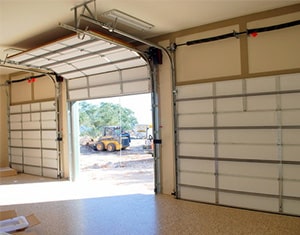
Garage door springs are one of the most important parts of your garage door system. They do the heavy lifting every time the door opens and closes. Yet many homeowners do not think about their springs until something goes wrong.
If you are wondering about the garage door spring lifespan Centennial homeowners can expect, the answer depends on several factors including usage, weather conditions, maintenance, and spring quality. In most cases, garage door springs last between 7 and 15 years, but their actual lifespan is measured in cycles rather than years.
Understanding how long springs last and recognizing early warning signs can help you avoid unexpected breakdowns, costly repairs, and safety risks.

Understanding Garage Door Springs
Garage doors typically use one of two spring systems:
Torsion Springs
Torsion springs are mounted above the garage door opening. They store energy by twisting and release that energy to lift the door.
Most standard springs are rated for:
Spring Type | Typical Cycle Rating | Estimated Lifespan |
Standard Torsion Spring | 10,000 Cycles | 7–10 Years |
High-Cycle Torsion Spring | 20,000–50,000 Cycles | 15–20+ Years |
Extension Spring | 5,000–10,000 Cycles | 5–8 Years |
For example:
- Opening your garage 4 times daily equals about 1,460 cycles per year.
- A 10,000-cycle spring may last approximately 7 years.
- A 20,000-cycle spring may last 13 to 15 years.
How Centennial Weather Affects Garage Door Springs
Colorado’s climate plays a significant role in spring wear and tear.
Cold Winter Temperatures
Metal contracts in cold weather. During Centennial winters, springs can become more brittle and prone to breaking.
This is why many homeowners experience sudden spring failures during the coldest months.
Temperature Fluctuations
Colorado weather often changes dramatically within a short period.
Repeated expansion and contraction create stress on spring components, accelerating wear over time.
Moisture and Corrosion
Snow, ice, and humidity can lead to rust formation. Rust increases friction and weakens spring coils.
Even a small amount of corrosion can reduce spring performance and lifespan.
Factors That Affect Torsion Spring Lifespan
The actual torsion spring lifespan varies depending on several conditions.
Frequency of Use
The more frequently your garage door operates, the faster springs wear out.
Households with:
- Multiple vehicles
- Teen drivers
- Frequent deliveries
- Active family schedules
often use significantly more spring cycles each year.
Door Weight
Heavier garage doors place additional strain on springs.
Examples include:
- Solid wood doors
- Oversized doors
- Insulated steel doors
The heavier the door, the harder the springs must work.
Spring Quality
Not all springs are manufactured to the same standards.
Higher-quality springs:
- Resist corrosion
- Handle more cycles
- Maintain tension longer
- Deliver better long-term value
Maintenance Practices
Regular inspections and lubrication can significantly extend spring life.
Ignoring maintenance often results in premature wear and unexpected failure.
Common Broken Spring Signs Homeowners Should Never Ignore
Garage door springs rarely fail without warning. Knowing the most common broken spring signs can help prevent emergencies.
The Door Feels Extremely Heavy
If lifting the garage door manually suddenly becomes difficult, a spring may be weakening or broken.
Loud Bang From the Garage
Many homeowners describe spring failure as sounding like a gunshot.
This loud noise occurs when the spring snaps under tension.
Uneven Door Movement
A damaged spring can cause:
- Crooked movement
- Jerky operation
- Door imbalance
Gaps in the Spring
Visible separation between spring coils is often the clearest indication of a broken spring.
Slow Door Opening
Weak springs force the garage door opener to work harder.
This can result in slower operation and increased wear on the opener.
Door Will Not Open Fully
A broken spring may prevent the door from opening altogether.
Excessive Noise During Operation
Grinding, squeaking, or popping sounds often indicate spring wear.
How to Extend the Life of Garage Door Springs
Although spring wear is unavoidable, proper maintenance can maximize lifespan.
Lubricate Springs Regularly
Apply a garage door lubricant every few months to:
- Reduce friction
- Prevent rust
- Minimize wear
Avoid using heavy grease or products not designed for garage doors.
Schedule Professional Inspections
Annual inspections can identify:
- Spring fatigue
- Balance issues
- Rust buildup
- Hardware wear
Early detection helps prevent costly repairs.
Keep the Door Properly Balanced
An unbalanced door forces springs to work harder than necessary.
Professional adjustments help maintain proper tension.
Replace Worn Components Promptly
Damaged rollers, cables, or tracks can place extra stress on springs.
Addressing small issues early often prevents larger failures.
When Should You Schedule a Spring Replacement?
Before scheduling a replacement, many homeowners want to understand the potential costs involved. Our guide on garage door spring repair costs explains the factors that influence pricing, repair options, and what to expect when hiring a professional technician.
Garage door springs should be replaced when:
- They have reached their cycle limit
- Visible damage is present
- The door becomes difficult to operate
- Safety concerns develop
Waiting too long can lead to:
- Complete spring failure
- Opener damage
- Door misalignment
- Increased repair costs
Many professionals recommend replacing both springs simultaneously, even if only one has failed. This ensures balanced operation and prevents the second spring from breaking shortly afterward.
Why Garage Door Spring Replacement Is Not a DIY Job
Many homeowners search online for spring repair tutorials. However, garage door springs store significant tension and can be dangerous when handled improperly.
Potential risks include:
- Serious injury
- Property damage
- Incorrect door balance
- Premature spring failure
Professional technicians have the proper tools, training, and experience to perform safe and accurate spring replacement services.
Why Choose Society Garage Door Repair Centennial?
When it comes to garage door spring issues, experience matters.
Society Garage Door Repair Centennial provides reliable garage door services for homeowners throughout Centennial and surrounding areas.
Our advantages include:
- Experienced garage door technicians
- Professional torsion and extension spring replacement
- High-quality replacement parts
- Accurate door balancing and safety checks
- Fast response times
- Honest recommendations and transparent pricing
Whether you need an inspection, maintenance, or complete spring replacement, our team focuses on long-lasting solutions that keep your garage door operating safely and efficiently.
Key Takeaways
- Most garage door springs last between 7 and 15 years.
- Spring lifespan is measured in cycles rather than calendar years.
- Colorado weather can shorten spring life due to temperature fluctuations and corrosion.
- Common broken spring signs include loud noises, heavy doors, uneven movement, and visible spring gaps.
- Regular maintenance can help extend spring life.
- Professional spring replacement is the safest and most reliable option.
Frequently Asked Questions
How long do garage door springs typically last in Centennial, CO?
Most standard garage door springs last between 7 and 10 years or approximately 10,000 cycles. High-cycle springs can last 15 years or longer with proper maintenance.
What are the most common broken spring signs?
Common broken spring signs include a loud snapping noise, a heavy garage door, uneven movement, visible gaps in the spring, and difficulty opening or closing the door.
Does cold weather affect torsion spring lifespan?
Yes. Cold temperatures can make metal more brittle and increase the risk of spring failure. Centennial’s winter weather can contribute to faster spring wear over time.
Should both garage door springs be replaced at the same time?
Yes. If one spring fails, the other is usually close to the end of its lifespan. Replacing both springs ensures balanced operation and reduces future repair costs.
Can I replace a garage door spring myself?
Garage door spring replacement is not recommended as a DIY project. Springs are under high tension and can cause serious injury if handled incorrectly. Professional service is the safest option.
Conclusion
Understanding the garage door spring lifespan Centennial homeowners can expect helps prevent unexpected breakdowns and costly repairs. While most springs last several years, factors such as usage, weather conditions, maintenance habits, and spring quality all influence longevity.
By recognizing early broken spring signs, monitoring your torsion spring lifespan, and scheduling professional spring replacement when needed, you can keep your garage door operating safely and reliably year-round. If you notice any warning signs, contacting Society Garage Door Repair Centennial for an inspection can help protect both your garage door system and your family’s safety.