Common Garage Door Mistakes Denver Homeowners Make (And How to Fix Them)
Why Denver Homeowners Make More Garage Door Mistakes
Denver’s unique climate and elevation create specific garage door challenges that catch many homeowners off guard. From intense UV exposure at 5,280 feet to dramatic temperature swings that can exceed 40 degrees in a single day, Colorado conditions accelerate component wear and create problems rarely seen in milder climates.
Society Garage Door has been a trusted provider for Denver homeowners since 2009, and we’ve seen the same costly mistakes repeated throughout Aurora, Lakewood, and surrounding communities. Most of these errors stem from good intentions—homeowners trying to save money or fix problems quickly—but lack of knowledge about Denver’s specific challenges often leads to expensive repairs.
Understanding these common mistakes and their solutions can save you thousands in unnecessary repairs while keeping your family safe. More importantly, knowing when to tackle problems yourself versus when to call professionals can prevent dangerous situations that put your safety at risk.
The Most Dangerous Mistakes Denver Homeowners Make
Mistake #1: Attempting DIY Spring Repairs
The most dangerous mistake Denver homeowners make is attempting to repair or adjust garage door springs themselves. Springs fail more frequently in Denver due to temperature cycling, and the temptation to “save money” with DIY repairs has led to numerous injuries and even fatalities.
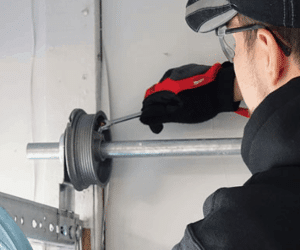
Garage door springs store enormous amounts of energy—enough to lift 150-300 pounds repeatedly. When they fail under tension or are improperly handled, the release of energy can cause devastating injuries. Professional technicians use specialized winding bars, safety equipment, and years of training to handle springs safely.
Mistake #2: Forcing Stuck or Binding Doors
Denver’s expansive clay soil and freeze-thaw cycles can cause garage door tracks to shift, leading to binding or sticking doors. Many homeowners make the critical mistake of forcing stuck doors to operate, often causing extensive damage to multiple system components.
Forced operation can break springs, bend tracks, strip opener gears, and create dangerous situations where doors fall unexpectedly. What might have been a simple track adjustment becomes a major repair involving multiple components.
Ice buildup during Denver winters commonly causes binding, but forcing frozen doors can crack panels, damage weather sealing, and stress springs beyond their limits. The few minutes saved by forcing operation often results in days or weeks without a functional garage door.
Maintenance Mistakes That Cost Denver Homeowners Money
Mistake #3: Using Wrong Lubricants or Over-Lubricating
Denver’s dusty conditions and temperature extremes require specific lubrication approaches, but many homeowners use inappropriate products or apply excessive amounts. WD-40, while useful for many applications, attracts dirt and performs poorly in temperature extremes common along the Front Range.
Over-lubrication is equally problematic in Denver’s environment. Excess lubricant collects dust and debris, creating a grinding paste that accelerates component wear. This is particularly problematic during spring and summer months when dust levels peak.
Mistake #4: Ignoring Weather Seal Maintenance
Denver’s intense UV exposure at high altitude degrades rubber weather sealing much faster than at sea level, but many homeowners don’t adjust replacement schedules accordingly. Cracked or brittle seals allow moisture, debris, and temperature extremes to affect garage door operation.
Failed weather sealing during Denver winters allows snow and ice into tracks, causing binding and potential component damage. Summer UV exposure continues degradation, creating a cycle of accelerated wear.
Mistake #5: Delaying Minor Repairs Until They Become Major Problems
Denver homeowners often postpone addressing minor garage door issues, hoping problems will resolve themselves or won’t worsen. Unfortunately, component interconnection means small problems quickly cascade into major system failures, especially under climate stress.
A squeaky hinge indicates wear that, left unaddressed, leads to binding and uneven door operation. This stresses springs, affects opener performance, and can cause multiple component failures within weeks or months.
Understanding repair costs helps homeowners recognize the financial benefit of addressing issues promptly versus waiting for complete system failures.
Opener and Electrical Mistakes
Mistake #6: Incorrect Opener Force Settings
Denver’s temperature fluctuations require seasonal adjustment of garage door opener force settings, but most homeowners never adjust these controls. Door weight effectively changes with temperature—metal contracts in cold weather while springs lose flexibility, requiring more force to operate smoothly.
Incorrect force settings cause openers to work harder than necessary, leading to premature motor wear, gear stripping, and safety system malfunctions. Too little force causes incomplete operation, while excessive force can override safety features designed to prevent entrapment.
Mistake #7: DIY Electrical Repairs on Openers
Modern garage door openers contain sophisticated electronics, safety circuits, and wireless systems that require professional-level diagnostic equipment. Many Denver homeowners attempt electrical repairs themselves, often creating more problems than they solve.
Common DIY electrical mistakes include incorrect wiring connections, bypassing safety circuits, using incorrect replacement parts, and failing to test safety systems after repairs. These errors can create fire hazards, disable safety features, and void manufacturer warranties.
Electrical problems in garage door systems often indicate broader issues with power supply, grounding, or environmental factors that require professional diagnosis to identify and correct safely.
Installation and Modification Mistakes
Mistake #8: Attempting Track Realignment Without Understanding Door Balance
Denver’s soil conditions can cause garage foundations to settle or shift, affecting track alignment. Many homeowners attempt to realign tracks themselves without understanding how track position affects door balance and spring tension.
Improper track adjustment can create binding, uneven wear patterns, and dangerous door operation. Tracks must be precisely positioned relative to each other and properly secured to handle the forces involved in garage door operation.
Track realignment in Arvada, Westminster, and other Denver metro areas often reveals broader foundation issues that require coordination between garage door technicians and structural professionals.
Mistake #9: Installing Inappropriate Door Types for Denver Climate
Many homeowners choose garage doors based solely on appearance or initial cost without considering Denver’s specific climate requirements. Inappropriate door materials or construction can lead to premature failure, energy loss, and expensive maintenance.
Wood doors, while attractive, require extensive maintenance in Denver’s dry climate and intense UV exposure. Non-insulated doors increase energy costs and can affect temperature-sensitive items stored in garages.
Seasonal Mistakes Specific to Denver
Mistake #10: Inadequate Winter Preparation
Many Denver homeowners underestimate the preparation required for Colorado winters, leading to preventable cold-weather failures. Inadequate lubrication, worn weather sealing, and improperly adjusted opener settings create problems during the first major cold snap.
Failure to clear snow and ice buildup around doors, combined with forcing operation when components are frozen, causes extensive damage that could be prevented with proper winter preparation and patience.
Mistake #11: Ignoring UV Damage During Denver Summers
Denver’s elevation intensifies UV exposure, causing accelerated degradation of rubber components, paint finishes, and door panels. Many homeowners don’t account for this increased exposure when scheduling maintenance or replacement intervals.
Photo-eye sensors, remote controls, and weather sealing all degrade faster in Denver’s intense sunlight. Ignoring UV damage leads to safety system failures and premature component replacement.
Preventing Future Mistakes: Building Good Habits
Establishing Denver-Specific Maintenance Routines
Successful garage door ownership in Denver requires understanding local conditions and adjusting maintenance accordingly. Safe DIY maintenance combined with regular professional service prevents most common problems.
Monthly visual inspections help identify developing issues before they cascade into major problems. Seasonal professional service addresses climate-specific wear patterns and adjusts systems for optimal performance year-round.
Recognizing When Professional Help Is Needed
Understanding your limitations prevents dangerous mistakes and saves money by addressing problems appropriately. Visual inspections, basic cleaning, and simple lubrication are safe for homeowners, while spring work, electrical repairs, and track adjustments require professional expertise.
Building relationships with qualified service providers before emergencies occur ensures you have trusted expertise available when needed. Quality professionals educate customers about their systems and provide guidance on preventive care.
Society Garage Door aims to empower homeowners with knowledge and maintain their safety by providing professional service for complex repairs. Our goal is helping Denver families maintain reliable, safe garage door operation while avoiding costly mistakes.
Understanding these common mistakes is important, but every Denver neighborhood presents unique challenges based on home age, construction methods, and local environmental factors that affect garage door performance.